
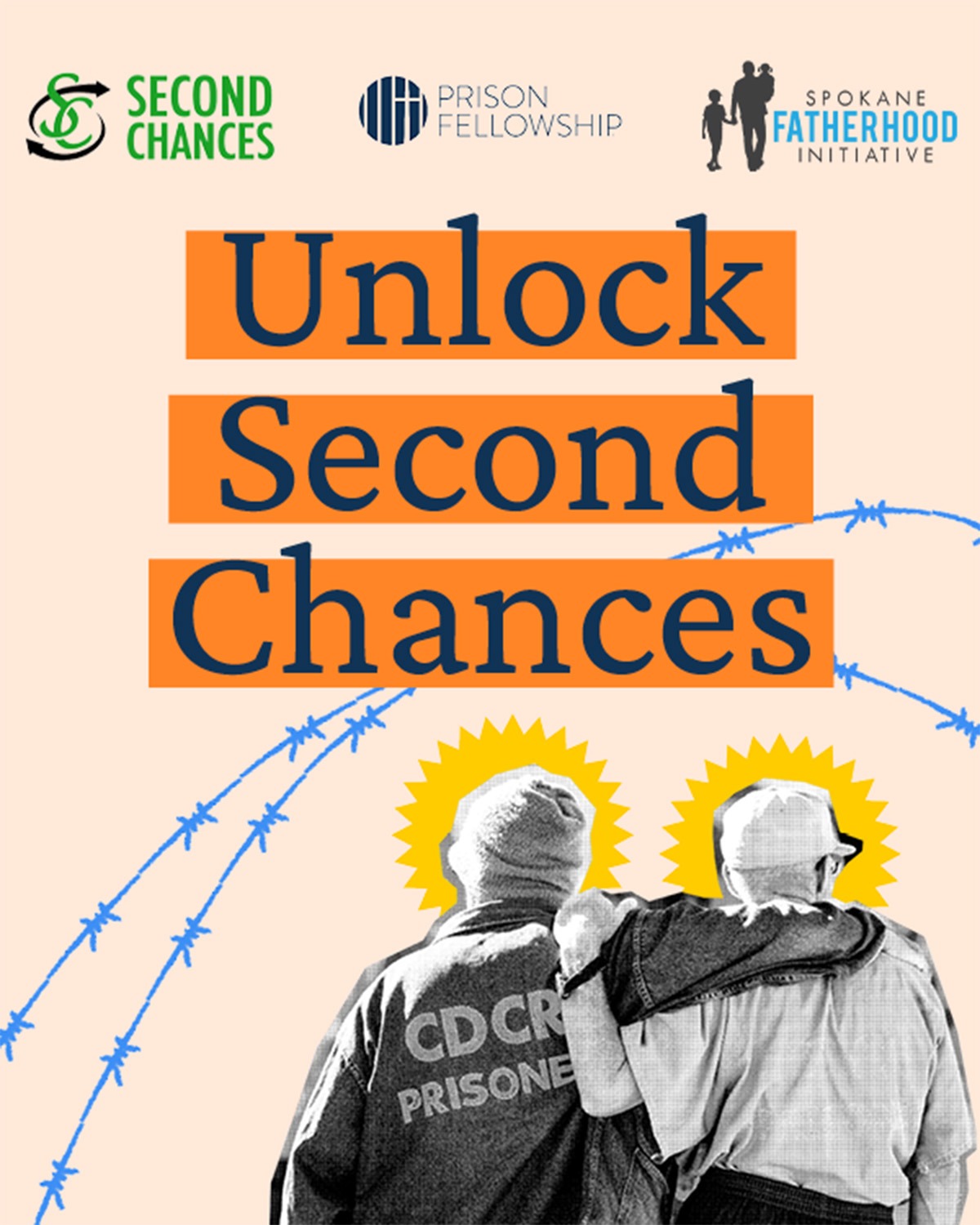

I've been walking alongside Returning Citizens for nearly 40 years. April still matters.
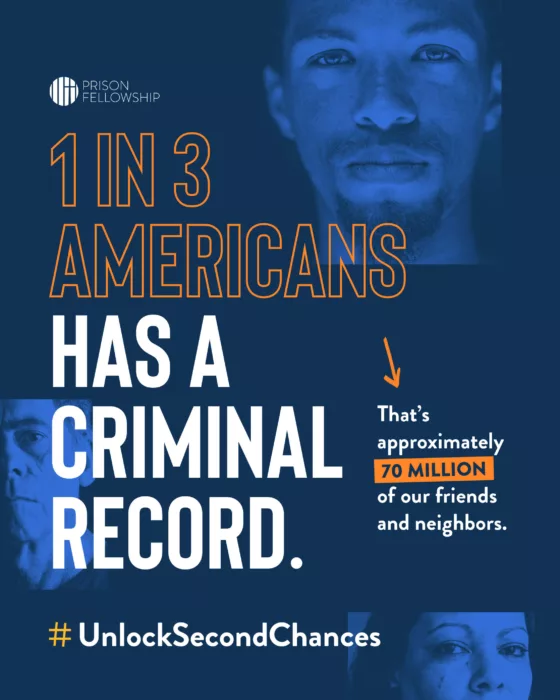
Every April, Second Chance Month gives us a chance to say out loud what a lot of us already know: the sentence doesn’t end at the gate. The men I work with have paid their debt. They walked out with a changed heart and a desire to do things differently. But the world they come home to doesn’t always make that easy. Finding work. Finding housing. Reconnecting with their kids. Across the country, nearly 1 in 3 adults has a criminal record, and those individuals face close to 44,000 legal barriers when they try to reintegrate into their communities. That’s not an abstraction. That’s real paperwork, real rejections, real doors closed before a man even gets to introduce himself.
I call it the “second prison.” No bars, no guards, but the walls are just as real.
Second Chance Month was first established in 2017 by Prison Fellowship, the organization that trained and shaped my own reentry work, and this year they’re marking 50 years of prison ministry. That milestone means something to me personally. Fifty years of people showing up in places most would rather not think about, and walking men and women back into life on the other side. Today, more than 1,100 churches, partners, and organizations join together each April to promote solutions for successful reentry and pathways to restoration.
I’m grateful that SpoFI is one of those partners, and that the work I do through Second Chances gets to be part of this community effort here in Spokane.
When a dad comes home
I’ve seen what happens when a returning father gets real support in those first 90 days. It changes everything, not just for him but for his kids and his community. Stable housing, steady employment, and someone in your corner aren’t luxuries. They’re the difference between a man rebuilding his family and one who doesn’t get the chance.
I’ve sat across from men who came to us skeptical, referred by a DOC reentry navigator or a prison counselor, not sure what to expect. Some of them are now coaching youth sports or leading a small group at their church. That doesn’t happen by accident. It happens because someone met them where they were, helped them build a plan, and stayed in it with them.
The numbers behind the second prison
Last year I wrote about the hard statistics that follow Returning Citizens out the gate, and they’re worth repeating because nothing has changed. 80% of employers run background checks that automatically screen out applicants with a record. 60% of formerly incarcerated individuals are still unemployed a full year after release. And when a father can’t find work or stable housing, his kids feel it.
The research on father involvement is just as clear: children with engaged dads do better in school, have fewer behavioral problems, and carry more confidence into adulthood.
There’s also an economic reality that doesn’t get talked about enough. An estimated $78 billion in economic output is lost every year by keeping people with criminal records on the sidelines of the workforce. Second chances aren’t just the right thing to do. They make our communities more stable and more productive for everyone.
If you want the full picture of what Returning Citizens face and what SpoFI is doing about it, I’d encourage you to read what we published last April: Second Chance Month: supporting fathers with criminal records. The barriers haven’t gotten smaller. But so has the community of people willing to help tear them down.
What you can do this month
You don’t have to work in reentry to make a difference. Here are a few practical ways to get involved:
- If you’re a Returning Citizen: Reach out. SpoFI’s 24:7 Dad classes are open to you, and our reentry program can connect you with support, a mentor, and a plan starting on day one. Call (509) 315-8850 or visit spofi.org.
- If you’re an employer: Consider becoming a fair-chance hiring partner. One job offer can change the entire arc of a family.
- If you’re part of a church or community group: Prison Fellowship invites congregations to designate a Second Chance Sunday in April, making it a moment to offer prayer and real support for those impacted by incarceration. Your church can be part of this.
- If you want to learn more: Visit Prison Fellowship’s Second Chance Month page or connect with Second Chances right here in Spokane.
The verse I come back to, year after year, is this:
“Therefore, if anyone is in Christ, he is a new creation. The old has passed away; behold, the new has come.”
–2 Corinthians 5:17
That’s not wishful thinking. For the men I’ve walked alongside, it’s a lived reality. And it’s the reason I keep showing up.
April is a good reminder that second chances aren’t charity. They’re what a community owes the men and women who’ve done the work to come back. Sometimes a second chance is the thing that saves a whole family.
Want to support this work? Connect with Second Chances at secondchances.help.
Frequently asked questions about Second Chance Month
What is Second Chance Month and why does it happen in April?
Second Chance Month is observed every April to raise awareness about the barriers people with criminal records face when they try to reintegrate into their communities. It was established in 2017 by Prison Fellowship, which this year is also marking 50 years of prison ministry. The U.S. Senate has passed Second Chance Month resolutions every year since 2017, reflecting broad bipartisan support for the cause. For us here in Spokane, April is a chance to remind our community that restoration is possible — and that it takes all of us.
What is the “second prison” and why does it matter?
The second prison is what I call the invisible barriers that follow a person after release. No walls, no guards, but the impact can be just as confining. We’re talking about background checks that disqualify people from jobs before they ever get an interview, housing applications that get rejected automatically, and benefit systems that are hard to navigate without support. Nearly 44,000 legal barriers exist for people with a criminal record in this country. That’s why the first 90 days after release are so critical, and why having a mentor and a plan on day one makes such a measurable difference.
Who are Returning Citizens?
Returning Citizens are men and women who have served their time and are coming back to their communities from state or federal prison. They come from all walks of life. What they share is a desire to build a better future and contribute positively to the people around them. I use that term deliberately because language matters. These are not their worst choices. They are our neighbors, and in many cases, they are fathers trying to get back to their kids.
How does SpoFI support Returning Citizens?
SpoFI connects Returning Citizens with fatherhood classes, reentry planning, and a mentor before they even walk out the gate. We work with DOC reentry navigators, prison counselors, and programs like the Graduated Reentry program to reach men ideally six months before release. From day one of freedom, we help with practical things like checking in with a probation officer, connecting with DSHS, and building a stable foundation. Our 24:7 Dad classes are open to returning fathers, and our reentry coordinator works closely with each man so he isn’t navigating those first hard months alone.
What is Second Chances and how is it connected to SpoFI?
Second Chances is a Spokane-based reentry organization I founded after my own experience with incarceration gave me a firsthand understanding of what Returning Citizens actually face. Our mission is to restore honor, dignity, and self-respect by walking alongside people through the reentry process and connecting them to resources. Second Chances partners with SpoFI to address both the fatherhood side and the practical reentry side of rebuilding a life. You can learn more at secondchances.help.
What does research say about fathers who successfully reenter their communities?
The evidence is consistent: when fathers successfully reenter their communities, those communities get stronger. Stable employment reduces recidivism. Father involvement improves outcomes for children across nearly every measure, from school performance to emotional health. And when a dad is present and engaged, it changes the entire trajectory of a family. That’s not just a statistic to me. I’ve watched it happen with the men I’ve worked with here in Spokane over the past several years.
How can my church get involved in Second Chance Month?
Prison Fellowship invites congregations to designate a Second Chance Sunday in April, which is a meaningful opportunity to offer prayer, awareness, and tangible support for those impacted by incarceration. Beyond that, churches can connect with Second Chances or SpoFI to learn about mentorship opportunities, volunteer needs, and ways to become a welcoming community for Returning Citizens and their families. Faith communities have always been among the most effective partners in this work, and April is a good time to step into that role intentionally.
What can employers do to support Returning Citizens?
The single most impactful thing an employer can do is commit to fair-chance hiring: evaluating a candidate on their skills and character before running a background check, rather than using a record as an automatic disqualifier. Gainful employment is one of the strongest predictors of successful reentry. When a man has steady work, he can secure housing, support his family, and stay on the right path. If you’re a Spokane-area employer interested in becoming a fair-chance hiring partner, reach out to us at SpoFI or Second Chances and we’ll connect you with candidates who are ready to work.
How does faith factor into reentry work?
For me personally, faith is the foundation. The verse I come back to is 2 Corinthians 5:17: “If anyone is in Christ, he is a new creation. The old has passed away; behold, the new has come.” That’s not a platitude. It’s a lived reality for the men I’ve walked alongside. At the same time, our programs at SpoFI serve every returning father regardless of faith background. The door is open to everyone. But for those who want it, the spiritual dimension of this work is often what makes the difference between a man who stays the course and one who doesn’t.
What are the biggest challenges Returning Citizens face in the first 90 days?
The first 90 days are the most critical and the most overwhelming. A man walks out with almost nothing: sometimes a bus ticket, a small amount of cash, and a list of requirements he has to meet immediately. He needs to check in with his probation officer, connect with DSHS, find housing, and start looking for work, often all in the same week. If he doesn’t have someone in his corner helping him navigate that, the chances of him ending up back inside go up significantly. That’s exactly the window where Second Chances and SpoFI focus our energy, because that’s where the investment pays off most.
How can I volunteer or get involved locally in Spokane?
There are several ways to get involved right here in Spokane. You can volunteer as a mentor through Second Chances or SpoFI, help connect Returning Citizens to housing and employment resources, or simply show up as a welcoming presence in your church or neighborhood. If you have a professional skill, whether that’s legal, financial, construction, or anything else, there’s likely a returning father who could benefit from your knowledge. Reach out to us at SpoFI by calling (509) 315-8850 or visiting spofi.org, or connect directly with Second Chances at secondchances.help.
What is the most important thing someone can do for a Returning Citizen right now?
Show up. That sounds simple, but it’s the thing that makes the most difference. Whether you’re an employer willing to give someone a fair shot, a church member offering a ride to Sunday service, or a neighbor who treats a returning citizen like a neighbor, ordinary decency changes outcomes. If you want to go further, volunteer with Second Chances or SpoFI, advocate for fair-chance hiring with local businesses, or share this post so more people in Spokane understand what Second Chance Month is actually about. Every person who comes home deserves the chance to become who they’re capable of being.
Leave a Reply